Setting Precedent: The Right to Protest on Campus, Charter Violations (Part 3)
This is Part 3 of our series that tells the whole story behind the lawsuit activists have launched against the University of Calgary and the Calgary Police in response to an encampment eviction on the campus back in May 2024.
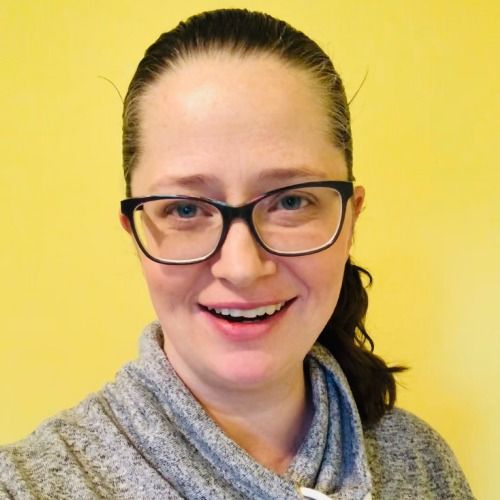
Legal Counsel for the nine Plaintiffs, Chris Weibe joins us to talk about the merits of the case, and just how people's Charter Rights were violated. We ask him what a victory in this case would look like, for the Plaintiffs AND other activists facing similar situations. Weibe also gives some insight on what its like going after the state on behalf of activists.
Be sure to also check out...
Part 1: Raheleh's Story - Dr. Tarani tells her story of participating in the peaceful protest with her son one minute, and being pinned by police the next. We heard about the impact that had on her, and how she's reclaiming power through the court.
Part 2: Liaising with Police - Calgary based activist Wesam Cooley talks about his role as the encampment's police liaison, and what its been like trying to hold police and other parties accountable in Alberta.
Hosted and by Jessa McLean and Santiago Helou Quintero
Call to Action: DONATE TO THE LEGAL FUND FOR THE PLAINTIFFS
Other Related Episodes:
- Student Suppression by Any Means with Jeremy Appel (March 2025)
- Student Encampments (May 2024) a look at their demands for divestment, the responses from the Universities, the police and the public.
More Resources:
- Calgary Police, City of Calgary and University of Calgary sued by demonstrators - via DrugDataDecoded.ca
- (REFERENCED) Statement of Claim: May 2026
More of our content is available on our SUBSTACK.
All of our content is free - made possible by the generous sponsorships of our Patrons. If you would like to support our work through monthly contributions: Patreon
Transcript
Greetings, friends. My name is Jess McLean, and I'm here to provide you with some blueprints
Speaker:of disruption. This weekly podcast is dedicated to amplifying the work of activists, examining
Speaker:power structures, and sharing the success stories from the grassroots. Through these discussions,
Speaker:we hope to provide folks with the tools and the inspiration they need to start to dismantle
Speaker:capitalism, decolonize our spaces, and bring about the political revolution that we know
Speaker:we need. In early May of this year, nine people launched a lawsuit against the University of
Speaker:Calgary, the Calgary Police Services, and a host of individual police officers. The suit
Speaker:focuses on the violent police action that targeted Palestinian solidarity activists who had set
Speaker:up an encampment on the university's campus back in May of 2024. In order to tell the
Speaker:stories behind the lawsuit, we put together this podcast mini-series. We called it setting
Speaker:precedent, the right to protest on campus, because we also want to understand the suit's
Speaker:larger implications on the movements that we talk about here on the show. In the first two
Speaker:parts, we heard straight from Raheleh and Wassam, both plaintiffs in the lawsuit. They gave
Speaker:detailed accounts as to what happened to them that night, why they were there, and how they
Speaker:were attacked by cops. We ask them what this lawsuit means to them and what they hope to
Speaker:get out of it. You can listen to the episodes really in any order, but I do suggest you listen
Speaker:to them all. We're at the third part of this series and we're about to hear from the activists
Speaker:legal counsel, Chris Weeb. He's going to go over the arguments and the merits of the case
Speaker:and just how these institutions and individuals named as defendants violated his clients charter
Speaker:rights. Because of how the law works and the fact that these kinds of overreaches and charter
Speaker:violations are happening more frequently, the impact here could be big. Lots of lessons as
Speaker:well on how the systems work or don't and how we can maneuver through them or why we should
Speaker:even. Next up in part four will be a discussion with Dr. Rebecca Lexier, an expert on social
Speaker:movements who has her own podcast mini series on student power in Canada. She'll help explain
Speaker:why the university reacted the way that they did and what this means for the larger movement
Speaker:for free Palestine. If you enjoy this type of content, chances are your friends probably
Speaker:do as well. So do everyone a favor, share it on your socials. We need the boost. All
Speaker:right, that's out of the way. Let's get to part three. My name is Chris Weeb, spelled
Speaker:C-H-R-I-S-W-I-E is an echo, B is a Bravo, E is an echo, pronouns he, him. I'm coming
Speaker:to you from Abbasqachewiskayagan, uh otherwise known as Edmonton in Alberta, Canada. I'm
Speaker:a lawyer at Engel Law Office. I represent the plaintiffs in the UFC Palestine protesting
Speaker:camp and lawsuit. But you spoiled the surprise. No. Yeah. So. We've called Chris here today
Speaker:because of a lawsuit that was announced and we of course had to follow up on this. If you'll
Speaker:look in the show notes, maybe in 2024, we spoke to Jeremy Appel about this case. goes back
Speaker:to the student encampments for Palestine. They all had different names, but that's what we're
Speaker:talking about. And a lot of them were forcefully removed from their own campuses, but I think
Speaker:none. of them really compared to what happened at the University of Calgary, not just in
Speaker:terms of the violence inflicted on students, but also the level of, I will call it, there's
Speaker:a lawyer in the room. So I feel like he's watching me for this alleged collusion between just
Speaker:the communication levels between the province, the school, the cops, and the fastness in
Speaker:which this happened, right? They were not tolerated for even a moment. So that was seemingly
Speaker:said and done two years ago. Why are we talking about it now? Students and or activists because
Speaker:there's professors and community members involved in the plaintiffs are fighting back through
Speaker:the courts. Chris is helping them do that. Chris, can you give us a lay of the land and what
Speaker:that statement of claim looks like in terms of the complaint in general? The complaint
Speaker:primarily is about breaches of my client's rights under section two of the charter to freedom
Speaker:of speech, freedom of peaceable assembly. They were gathered in an encampment on UFC campus
Speaker:to protest Israel's ongoing genocide. Gaza and to pressure the university to disclose its
Speaker:investments in companies that are complicit in that genocide and to vest from those. It's
Speaker:also about excessive force. The very same day that the camera was set up and the university
Speaker:immediately issued trespass notices, they pretty quickly called the police to come and they
Speaker:did come. uh And that evening, violently with use of chemical munitions, shields, batons,
Speaker:forcefully removed my clients and other protesters, which included students, alumni, faculty, uh
Speaker:parents of students. uh Most of the force, uh I understand my clients are alleging, was used
Speaker:after they had already began to pack up. the police chose to uh advance again in a more
Speaker:forceful fashion and causing significant injuries to my clients. There's a 60 plus year old
Speaker:woman who was uh there to support her son who was a student um who suffered like, uh it's
Speaker:not clear if it's like a bruised or a fractured rib, but that. was painful for a couple months
Speaker:for her. There's a handful of concussions, a jaw injury. uh But mostly I heard my clients
Speaker:talk a lot about the trauma of being on the wrong end of a police, what would you
Speaker:call that, a siege like that. uh Having such traumatic experiences as being on the ground
Speaker:being beaten by a police officer or multiple police officers or having chemical munitions
Speaker:explode by your feet, which happened to a couple of my clients. When you say chemical munitions,
Speaker:do we mean tear gas? The police say that it was OC grenades, which is like pepper spray
Speaker:grenades. um Both allowed sound and then um irritates the eyes. All this in response to
Speaker:what was a righteous act of peaceful assembly to protest ongoing war crimes and a Canadian
Speaker:institution who um hasn't disclosed their investments uh in companies complicit in those
Speaker:war crimes and genocide. The lawsuit is partially about compensating my clients and vindicating
Speaker:their rights to freedom of speech. It's also, I think, an important legal action for setting
Speaker:precedent. You know, if we let the charter continue to be reinterpreted by police, by
Speaker:our institutions in ways that disallows peaceful protest and we don't push back, then that's
Speaker:really dangerous for democracy. It's dangerous for civil rights in this country. You know,
Speaker:the countries where police respond to peaceful protests like that are not the sort of countries
Speaker:that Canada should be seeking to become like. This legal action is, I hope will be a way
Speaker:to correct course in reminding our governments, our police forces, and all of us that the
Speaker:right to peacefully protest, it's a constitutional right. It can't be abrogated by purported.
Speaker:exercises of authority under the Trespass Depremacies Act by a public university, uh which is what
Speaker:their defense is. The Trespass Depremacies Act is the provincial law in Alberta under
Speaker:which private landowners can tell trespassers to leave or else they get a ticket, which is
Speaker:what the university did with the help of the police uh in our case. was talking to you
Speaker:earlier about some of the language used in your statement of claim, which I'll attach the episode
Speaker:for folks to take a look at. You mentioned that, you know, by the way, this institution
Speaker:has still not divested, disclosed and divested its investments in companies complicit in
Speaker:genocide. Is that one of the ways that you are trying to keep the focus on Palestine?
Speaker:Because Anytime we've had activists in here, you did disclose this beforehand, there's
Speaker:this hesitancy to be at the front of the movement, to be a plaintiff with a name and a face and
Speaker:perhaps even a monetary award and be talking about them when there's Palestinian prisoners
Speaker:being executed and what's going on in Gaza and that's really what they were doing there in
Speaker:the first place. Is that the reason for you including that language there? Do you think
Speaker:that'll be relevant to the judge? I think that the allegation about the university still not
Speaker:disclosing and divesting from companies committed, complicit in genocide is important both for
Speaker:keeping the focus on the core issue here, which is the suffering of the Palestinians. And also
Speaker:it's relevant allegation um that hasn't been in court yet about the The reason for their
Speaker:malicious overreach against my clients, like why did they act so quickly and why did they
Speaker:act so violently to displace peaceful protesters? It goes to the money and also trying to
Speaker:set a precedent that undermines people's right to have a say in where our institutions invest.
Speaker:You also take time in the statement of claim to point out the different treatments of different
Speaker:plaintiffs. So four of my clients were issued $600 trespass tickets and two of them, uh
Speaker:two young white men, uh not too different from myself, were given the type of ticket that
Speaker:has like a voluntary $600 payment option. uh And then two of them, both West Asian women.
Speaker:We're given summons tickets, which means that there's a mandatory court appearance. And if
Speaker:you don't show up for court, then there's risk of further punishment, including up to six
Speaker:months imprisonment. Peace officers in Alberta are only supposed to issue those kinds of tickets
Speaker:if it's in the public interest with regard for basically whether they're a flight risk
Speaker:or whether there's like a long history of these people committing similar offenses. My client's
Speaker:allegations is that none of those factors existed. So why were they given these summons tickets
Speaker:that came with greater criminal legal jeopardy? It's very obvious why and how, to me. You're
Speaker:alleging that police infringed on charter rights, right? Especially with the violence like that.
Speaker:Even people who don't understand the law, that seems inherently wrong. They can kind of make
Speaker:those conclusions. Why include the university in the lawsuit itself? How did they allegedly
Speaker:infringe on the rights of protesters as an institution? Because they're the party that
Speaker:immediately upon realizing that what the students were doing issued notices under the Trespass
Speaker:Depremacies Act. In other words, get out. They're the ones who did not consider my clients
Speaker:rights under the charter to freedom of speech and freedom of peaceful protest did not consider
Speaker:that the encampment was not posing an obstruction or any safety risk. Just immediately decided
Speaker:that the encampment was to be prohibited uh from USC campus and asked the police to come
Speaker:do what they did. One thing that I'm always very curious about is that the tools to hold
Speaker:police accountable in Canada. I know here in Ontario, uh we have the SIU, which is the police
Speaker:oversight, which is staffed mostly by former cops, which means that they rarely, if ever,
Speaker:find them guilty of anything. um I'm curious what the systems to hold police accountable
Speaker:for their actions are in Alberta, as well as whether it's simply fines or if there's
Speaker:any higher consequences for whenever they they overstep their their duties. I'm sure there's
Speaker:similarities and differences. We just had amendments to our police act, which is the legislation
Speaker:under which police accountability functions in Alberta, just in late 2025, which I'm still
Speaker:learning and getting the hang of. But in broad strokes, if there's evidence of a fatality
Speaker:or serious injury, uh a vague term that has led to some confusion. uh Then uh the equivalent
Speaker:of the SIU, which is ACERT, we call it ACERT, it's the Alberta Serious Investigations Response
Speaker:Team, takes over. they're mostly, uh from my understanding, uh former prosecutors uh
Speaker:investigating those serious allegations. In this case, the government of Alberta had Acert
Speaker:do an initial limited scope investigation into whether there are any serious injuries occurred.
Speaker:And this is a, my client's account is that they provided evidence that several of them
Speaker:had gotten concussions and Acert decided that that didn't constitute a serious injury. um
Speaker:And so Acert. declined to investigate further because it wasn't within their mandate, which
Speaker:I think, you know, and you can talk to Jeremy Appelmore about this, but he, I know he published
Speaker:some texts between the Premier's Chief of Staff and the Chief of the Calgary Police Service
Speaker:about that limited scope investigation and making sure that the scope of the asserts involvement
Speaker:would be limited to that issue. from there because ASET's not involved, the CPS just gets to investigate
Speaker:itself and um did so and disposed of all my client's complaints. Those dismissals are
Speaker:currently being appealed to the law enforcement review board. I mean, it doesn't surprise me
Speaker:that it turned out this way. And yes, our discussion with Jeremy, if folks go back and listen to
Speaker:it, he does detail just how they were able to maneuver afterwards. um and coordinated
Speaker:statements and whatnot to downplay what had happened or to boost up the necessity of
Speaker:clearing the encampments. was. Yeah, it was was shocking to hear even then. So I'm interested
Speaker:in why students are choosing this as a path of recourse. Is it a level of vindication
Speaker:as well? Because like the monetary compensation that they're asking for, considering what they've
Speaker:been through, seems small. ah I'm not not your judgment. I'm sure is fine there. This isn't
Speaker:a comment on what you've chosen to do, but it just seems like the focus is less on that
Speaker:and more on getting someone what to admit that their charter rights were infringed on. Is
Speaker:that really what they're looking for? Yes. The primary goal here is is for. Court is a court
Speaker:decision saying that this was a violation of their rights to freedom of speech, freedom
Speaker:of peaceful protest assembly. similar to what the U of A students are doing with their legal
Speaker:action. My clients are also seeking damages, as you mentioned, for personal injuries, out-of-pocket
Speaker:expenses incurred from the $600 tickets, and alleged defamation by the CPS chief. We've
Speaker:also claimed damages because I think it's important that where there's such an egregious breach
Speaker:of the charter as there was in this case uh that courts award damages to deter that sort
Speaker:of egregious state misconduct. uh That's not just me saying that. That was a uh big theme
Speaker:in a Supreme Court of Canada decision from 2010 called the Vancouver award where it talked
Speaker:about damages being awarded to the charter for three purposes, compensation of personal
Speaker:injuries and losses. vindicating not just the plaintiff's charter rights, but everybody's
Speaker:charter rights, uh upholding the charter right itself, and uh deterring that sort of state
Speaker:misconduct. that's why damages are important to include here, although they're not my
Speaker:client's primary focus. Can I ask because my legal understanding is admittedly limited,
Speaker:so is this Civil or criminal like is there an end like is it simply monetary or will there
Speaker:be? Like can people lose their jobs over this? uh on the the police side or Like what what
Speaker:are the consequences I guess for violating people's charter rights, you know, yeah purely civil
Speaker:We would just be getting going for a court order declaring the charter rights were breached
Speaker:and awarding damages to my clients um the City of Calgary and the University of Calgary
Speaker:would be vicariously liable for those damages and then the CPS chief uh and there's no criminal
Speaker:liability or risk for the defendants uh and whether there's any uh employment consequences
Speaker:is up to their employers. The university and the police force. So what else? would a victory
Speaker:look like, not just for the plaintiffs? So a court order declaring that charter rights
Speaker:were breached, would it help other students who've been treated similarly in other provinces?
Speaker:Or is that precedent, say, just for Alberta? Precedents set in one province aren't binding
Speaker:on another province, but they are persuasive. And courts in one province will certainly
Speaker:give a serious look to decisions elsewhere in the country. uh The way our court system
Speaker:works is that decisions of the Supreme Court of Canada are binding on lower courts everywhere
Speaker:else. uh And then decisions of our provincial courts of appeal are binding in the province
Speaker:of that court of appeal. But other than that, decisions are persuasive. So it does have
Speaker:a presidential value. If a court were to uphold my client's Section 2 Charter Rights here,
Speaker:that would mean something, I think, in Ontario. if, God forbid, people found themselves in
Speaker:similar predicaments to my clients in the future, and then there's this case from Alberta that
Speaker:says that that's wrong, that does help, I think. And I think police forces... uh look to
Speaker:the development of the common law in Canada too and see how courts are interpreting people's
Speaker:Section 2 charter rights. So yes, there's presidential value elsewhere. I'd love to ask because
Speaker:obviously we've seen like this resurgence of uh encampments in defense of Palestine, but
Speaker:obviously for the unhoused community, encampments are a constant uh issue where They're also
Speaker:facing a lot of police violence uh with those clearings. Would a victory here offer any
Speaker:additional protections, do think, for unhoused encampments uh in Alberta? Not unhoused encampments.
Speaker:This would be specific to protest encampments. So, encampments where there's a specific freedom
Speaker:of speech and peaceful protest component. Now, there have been... encampments that have been
Speaker:both um in Edmonton. um Famously, ah during the pandemic, early pandemic, there was a camp
Speaker:called Peck Away With that was both an encampment run by and with and for unhoused community
Speaker:members, but it was also about um prayer and uh indigenous uh stewardship of that land,
Speaker:which had significant sacred value to a lot of the First Nations that have called this
Speaker:area home since time immemorial. So there's some examples of encampments that have been
Speaker:both. m But usually, homeless encampments, unhoused encampments, the section of the charter that
Speaker:protects those is section seven. um the section that guarantees everyone life, liberty and
Speaker:security of the person. I had a question about building the case and filing the statement
Speaker:of claim. In the defendant's list is the name of quite a few officers. Then you've also
Speaker:included some John Doe officers, guess. I'm guessing. Now, correct me if I'm wrong, obviously.
Speaker:you were able to gather the names of some of these officers from recordings of the
Speaker:day, from witness statements. How did you get that information? Because what I'm getting
Speaker:at also is what could other activists do to aid in a situation like this? Was there information
Speaker:that they gathered or continued to gather that helped make this even possible down the road?
Speaker:The names of the officers listed in our statement of claim were learned through the Police
Speaker:Act complaints. Making complaints to police forces is, I mean, as a lot of people know,
Speaker:like it leads to lot of frustrating results, know, officers investigating their own. um
Speaker:But it is helpful for getting information. And that's the primary purpose for for listing
Speaker:individual officers too, it makes it easier for pretrial questioning to get more evidence
Speaker:that might be relevant to my client's claims. If there's a lesson to activists, I think
Speaker:it's just that there's a few reasons why engaging in albeit flawed police accountability processes
Speaker:are still worthwhile. And one of them is to, because through the complaint process,
Speaker:you learn more about what happened and who was involved. And that's what led to us learning
Speaker:some of the officers' names here. That's actually probably quite helpful, although each province
Speaker:might have a different. structure, different procedures for people to follow. Just because
Speaker:we are exhausted of going through all of these loopholes and even hearing that your clients
Speaker:are pursuing a civil matter while also appealing the dismissals of their complaints while probably
Speaker:navigating being a student and a mom and like all the other things that come with life while
Speaker:also being a part of a movement with a greater goal. This is also overwhelming, but if you're
Speaker:saying it, pace off, you know, let's encourage folks to sometimes go through this, but not
Speaker:everybody will have access to legal counsel. Do you find yourself stretched thin? Are there
Speaker:lots of cases that people are asking you to take like this or, you know, because when
Speaker:we speak to tenants, for example, they say there's hardly any other, any lawyers out there that
Speaker:can help them. Like it's very few that specialize in what they need. Is that the same for folks
Speaker:that are trying to pursue claims like this? Oh, man. Yeah. Yeah, there's like, I mean,
Speaker:I could count on one hand the number of lawyers that take lawsuits against police in prisons
Speaker:in Alberta. And there's huge demand for for more lawyers to do this kind of work. um There's
Speaker:obviously practical challenges to uh suing the government on behalf of individuals of
Speaker:various means. uh And I think that's a big reason why there are so few lawyers who do
Speaker:it. um And we need more. As a bit of a follow up to that, you know, again, with my limited
Speaker:knowledge, but ah You know, when I when I observe what's happened, what happens in the States,
Speaker:seems like lawsuits against police in the States are a very common practice that happens all
Speaker:of the time. Why is it that we it seems to be so much more rare here in Canada? I don't know
Speaker:if if you can answer that. so I'm not an expert. So take this with a great assault. But my
Speaker:understanding is that there's there's uh more reason to sue the states because American
Speaker:courts tend to give much higher damages awards. uh So there's a lot more incentive for suing
Speaker:and there's a lot more lawyers willing to take the bond contingency because even if most
Speaker:of the lawsuits don't earn a return, still even if you get like a couple that do, the
Speaker:damages award is so huge that you can still pay your bills that way. uh That's uh maybe
Speaker:I'm reading too many Grishams, but that's my general understanding. I think Canadian courts
Speaker:are uh understandably in a lot of ways reluctant to have a civil justice system like that. uh
Speaker:But I think one of the downsides, while you don't get as many kind of bad faith litigants,
Speaker:it also makes it a lot harder to uh make the the numbers work as a law firm trying to pay
Speaker:the bills and do this work. So there's no thriving law firms that just represent clients wronged
Speaker:by police and educational institutions. It's not a niche market yet. I mean, my boss has
Speaker:been doing this for decades longer than anybody else in the province, and he drives like a
Speaker:piece of crap, like 98 GFC pickups. and not helping to appeal to more lawyers. We were
Speaker:speaking to law students here for a second. I think we might have lost them. Come back.
Speaker:um It is rewarding in so many other ways, right, Chris? Although we don't often have lawyers
Speaker:on the show, it seems like when we do, they're also activists. Like, I don't know if y'all
Speaker:can admit that or not, what your restrictions are, but just from the language you've included
Speaker:in your statements and the way you carefully speak here and I don't mean the alleged and
Speaker:haven't been proven. mean just the acknowledgments that you give and whatnot. don't think I
Speaker:am an activist. I'm not experienced or trained in organizing or anything. I think as a lawyer,
Speaker:we have ethical duties within our profession to make sure that everybody has access to
Speaker:the courts and to uphold the Constitution. And I think that's enough. That in itself is enough
Speaker:reason. I think for me personally too, like I grew up and am like a Christian and I
Speaker:think that there's enough like religious and moral uh beliefs in my life that motivates
Speaker:me to uh work for the oppressed and the poor and against war and war crimes and genocide
Speaker:and people profiting from that. um So that's what I am. I'm a lawyer. um I'm a human. I'm
Speaker:a Christian. And that's all the reason I need to get involved. Well, you see, not all lawyers
Speaker:are bad, right? You guys, sometimes I think you get a bad rap. No, we've had some good
Speaker:folks on here too. then we are very pleased when we find movement lawyers, uh reluctant
Speaker:activists, fine, we'll reserve that label for now, but your work is very much appreciated
Speaker:in the movements. I'm sure you know that. I hope you feel that. Thank you. I just want
Speaker:to say and thank you for your kind words and also that, you know, I think lawyers have
Speaker:lawyers like us who are involved in these kinds of social justice causes. We have a
Speaker:lot of mutual respect for organizers and activists who do make it their business to engage the
Speaker:consciences of the masses. And that's a skill that as a profession we generally don't have.
Speaker:And we tend to arouse more suspicion and disdain from the masses than sympathies. so we... I
Speaker:don't think I am an activist, partially because I think it's a very distinct and important
Speaker:job to do community organizing and activism. uh But so anyways, that was all just a message
Speaker:of mutual respect and appreciation. um thank you both, Jessa and Santiago, for having me
Speaker:on the show. It was wonderful to chat with you both. That is a wrap on another episode of
Speaker:Blueprints of Disruption. Thank you for joining us. Also, a very big thank you to the producer
Speaker:of our show, Santiago Halu-Quintero. Blueprints of Disruption is an independent production
Speaker:operated cooperatively. You can follow us on Twitter at BPofDisruption. If you'd like to
Speaker:help us continue disrupting the status quo, please share our content. And if you have
Speaker:the means, consider becoming a patron. Not only does our support come from the progressive
Speaker:community, so does our content. So reach out to us and let us know what or who we should
Speaker:be amplifying. So until next time, keep disrupting.