Setting Precedent: The Right to Protest on Campus, Raheleh's Story (PART 1)
This is Part 1 of a multi-part series that tells the whole story behind the lawsuit activists have launched against the University of Calgary and the Calgary Police in response to a violent encampment eviction back in May 2024.
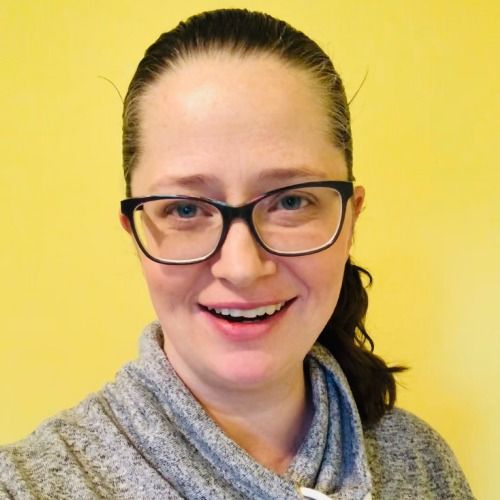
We start with Dr. Raheleh Tarani's compelling story; a mother from Iran who was on campus to support her son, and to speak up against what is happening in Gaza. Holding hands, singing, and then violently tossed to the ground, pinned and arrested.
She talks about her shock, and the profound impact that night has had on her. But she also talks about how she is reclaiming her power by taking the Police who did this, and the University who called them, to court.
Next UP: Part 2 - Another Plaintiff, Wesam Cooley, was the unofficial Police Liaison for the encampment that night. Hear his unique perspective on Monday May 25th.
Hosted and Produced by: Jessa McLean and Santiago Helou Quintero
Call to Action: DONATE TO THE LEGAL FUND for the Plaintiffs
Related Episodes:
- Student Suppression by Any Means with Jeremy Appel (March 2025)
- Student Encampments (May 2024) a look at their demands for divestment, the responses from the Universities, the police and the public.
More Resources:
- City of Calgary and University of Calgary sued by demonstrators - via DrugDataDecoded
- Statement of Claim - Court Filing 2601 08209 - May 4, 2026
- Calgary Police, City of Calgary and University of Calgary sued by demonstrators for excessive force, breach of rights in 2024
All of our content is free - made possible by the generous sponsorships of our Patrons. If you would like to support our work through monthly contributions: Patreon
Transcript
Greetings, friends. My name is Jess McLean, and I'm here to provide you with some blueprints
Speaker:of disruption. This weekly podcast is dedicated to amplifying the work of activists, examining
Speaker:power structures, and sharing the success stories from the grassroots. Through these discussions,
Speaker:we hope to provide folks with the tools and the inspiration they need to start to dismantle
Speaker:capitalism, decolonize our spaces, and bring about the political revolution that we know
Speaker:we need. Two years ago, students, faculty, and community members escalated their divestment
Speaker:campaigns and built encampments on their campuses right across the country. These encampments
Speaker:were built after months of pleading and pressuring university administrators to disclose their
Speaker:investments and divest from corporations complicit in the genocide. The camps that were able to
Speaker:establish themselves and remain for a good period of time became liberated zones of sorts. The
Speaker:mission was a free Palestine, but they were also creating models of cooperation and resistance
Speaker:that didn't sit well with these powerful institutions. And so we eventually saw injunctions and evictions,
Speaker:some more violent than others, but none likely as swift and as violent as what happened at
Speaker:the University of Calgary. In March 2025, investigative journalist Jeremy Appel came on our show to
Speaker:share what he'd uncovered after looking into the communications between the province, the
Speaker:university, and the Calgary police. In that episode, we got just an idea of what happened
Speaker:back on May 9th, 2024. We also shared some video of it. It was shocking. not just for the brutal
Speaker:suppression of a protest, because it seemed like nothing became of it. The university stood
Speaker:by their decision. The provincial government essentially cheered it all on. We wondered
Speaker:if this kind of heavy-handed police response to peaceful protests on campus were going to
Speaker:just become the norm. And this is why some of those protesters, including our first guest
Speaker:in this four-part series, are fighting back. Nine plaintiffs have launched a lawsuit against
Speaker:the University of Calgary, the Calgary police, and a slate of named and unnamed officers
Speaker:for their actions on that day. Rahele shares a powerful account of what happened to her
Speaker:that day and how it's impacted her deeply. She's also going to talk about why she's resisting
Speaker:in the way that she is and how she feels about going up against the province and police in
Speaker:court. Part two of the series will be an interview with another plaintiff, Wasam Kouli, who was
Speaker:the de facto police liaison for the group that night. He has an interesting story to tell
Speaker:as well. We then get to hear from their counsel, Chris Wiebe, who goes over the merits of the
Speaker:case and explains what a victory could mean for the plaintiffs, for others contemplating
Speaker:legal action, and for institutions who think they can reinterpret the charter when it suits
Speaker:them. The series will finish off with Dr. Roberta Lexier, an expert on social movements who has
Speaker:her own podcast mini series on student power in Canada. She'll help explain why the university
Speaker:reacted the way that it did and what this all means for the larger movement to free Palestine.
Speaker:We'll roll these out over the next two weeks. We hope that you find it equally as enraging
Speaker:as it is instructional. You'll find a link to support the legal defense for these plaintiffs
Speaker:in the show notes, as well as more ways to engage on the topic. We also encourage you
Speaker:to share it with a friend and give it a rating on whatever podcast application you're using.
Speaker:Now let's get right into our interview with Raheleh. Good morning. Can you introduce yourself
Speaker:to our audience, please, before we start? Good morning. My name is Raheleh Trani and I am
Speaker:a an Iranian-Canadian uh member of board, member of Iranian-Canadian Congress, and
Speaker:practicing psychologist in Calgary, and mother of two sons who were, of course, UFC students
Speaker:when we attended the protest. So I don't know, do I need to say more about myself? I'm,
Speaker:of course. an activist, a leftist. And I don't know how elaborated this introduction should
Speaker:be. Yeah. You know what? We get ranges of introductions. Sometimes we get fake names and no credentials.
Speaker:And that is fine. Maybe Juan Packmore about you as we go through the discussion. But really
Speaker:what brought us here is what your experience was May 9th, 2024. It's the topic of conversation
Speaker:for this episode. You're one of the plaintiffs that's in a lawsuit against the University
Speaker:of Calgary and the Calgary police and some named and unnamed officers. And we've brought
Speaker:you here to talk about your experience. We'll be hearing from some of the other folks that
Speaker:were down there with you. I know how these things come together, right? You maybe go into this
Speaker:not knowing each other and then... You've been through the wringer for two years with
Speaker:one another. So that's probably shifted. what brought you, other than perhaps a free Palestine,
Speaker:what brought you down to the campus at University of Calgary on that fateful day? Yes. Yeah,
Speaker:of course, as you know, we all were disturbed with the news that like, you know, we were
Speaker:getting from Gaza and the killings and like, you know, excruciating like, you know, images
Speaker:and all like that we were exposed to and all. And so I learned that the university students
Speaker:have decided to have encampment in the university and my son informed me early morning that
Speaker:he was there, my elder son. And uh so I had to work, I went to school, I was working at
Speaker:that. time as a psychologist for Calgary Board of Education. went and like work with my students
Speaker:and all. And then I also work in a clinic. I went to the clinic after school and up
Speaker:to eight hours, up to eight PM I was working in the clinic. And then I called my son and
Speaker:to see how things are. And he told me that like, you know, we are still here and it's
Speaker:a very tense environment and all. And like Of course he was asking me, mom, don't worry,
Speaker:you are tired and all, but anyways, I couldn't let him be alone there. And also the sense
Speaker:of responsibility that I had. So ultimately I went there. I thought that is my responsibility
Speaker:to do something about what doesn't let me sleep every night. Every night I was feeling so
Speaker:guilty. It was hard for me. I constantly say that I'm sleeping in this bed, on this bed.
Speaker:Like, you know, I am experiencing a totally different environment and people in Gaza, children
Speaker:and all those things. You night I was struggling with guilt that I'm not doing anything. So
Speaker:I thought I will go there and just do my duty in that regard. I also felt that my sons
Speaker:have the right to... be in the campus and ask for what they think is right. They have charter
Speaker:rights, so I need to support that as well. So when I went to park my car, I was really shocked
Speaker:to see, oh my God, as if there's a big war over there. So I saw an army of police officers.
Speaker:I was shocked with the number of police cars and the... whole group of guards over there,
Speaker:like, what's going on? Why it is like, you know, they are just a group of students. They're
Speaker:asking for what they think is right. so like, why do we need to have all Calgary police gathered
Speaker:there? So anyways, I went and like, I realized that, of course, like, know, that most people
Speaker:who were there had come early morning and they were getting tired and all. Some discussions
Speaker:about that today is Thursday, maybe we should have started on Friday so that we could stay
Speaker:overnight. At least next day was Saturday. Some people have to go to work on Friday. So they
Speaker:were discussing and all and a group of people left. And then towards the end, the number
Speaker:was smaller. And I was just talking to other people uh who gathered there that It might
Speaker:be a better idea if we just go back and come tomorrow again, because it seems people have
Speaker:left because maybe this was not a day. many people believe that it would have been better
Speaker:if we started on Saturday. Anyways, so when the number was reduced, then we decided that
Speaker:they should uh just put things. you know, back and like to leave. And so the camps were removed.
Speaker:we were like, people there or the organizers were discussing how they can take the items
Speaker:to their cars and like how they can take the camps away. And I think there was some argument
Speaker:there whether they can bring a U-Haul, they can bring their cars, how they carry this.
Speaker:And while they were just discussing that we were standing in a line, know, hand to hand
Speaker:and just singing a song. And before that, just moments before that, you I was just talking
Speaker:to these police officers there who were standing, you know, in front of us. I was telling them,
Speaker:how come you have come with gun? These students need to be brought flowers. You know, they
Speaker:are the most responsible, the most, I think, students of this university who have studied
Speaker:history, who have studied social. sciences and you know who really like I think internalized
Speaker:the values that every teacher would love to imbibe in their students. You were proud mom
Speaker:too. I was proud mom of course. I was very very proud to see my son and girlfriend there and
Speaker:other university students and I was asking them also another I also asked them another
Speaker:question I recall very well I asked them I really would like to know I was genuinely interested
Speaker:to know how did you feel when like a few days back, you know, heard UNICEF has announced
Speaker:14,000 children have been killed in Gaza. How did you feel about it? You know, like I was
Speaker:thinking that we can have communication, just conversation. But like very soon, suddenly
Speaker:as if something changed, like they were standing and we were standing and singing. Suddenly,
Speaker:you know, it seems that they got an order. I am very sure that some order was like, you
Speaker:know, what kind of started all. hold that kiosk that they suddenly came uh attacking us, move,
Speaker:move. And it was so shocking, unbelievable that when we were standing like we, hand
Speaker:in hand, suddenly with their shields, they pushed us back. like unbelievable, I cannot
Speaker:even really even now understand what happened from the group. They pulled me and throw me
Speaker:on the ground and the... people like sat on me at least two, but many people say three
Speaker:people tried to restrain me. I didn't resist even being arrested if they had stood there
Speaker:and said, you are under arrest. So like I would have said, okay, like whatever, like, I would
Speaker:not have liked it, but I would not have resisted that. But what was the like necessity of them
Speaker:pulling me, throwing me on the ground and restraining me the way they did? And I was wearing a very
Speaker:thick, actually, winter coat. And I'm sure that if that was not there, maybe I would have been
Speaker:fully crashed under them. So anyway, they took me to the police car. My glasses were thrown
Speaker:somewhere and all. And they made me to sit in the police vehicle. And there I realized I
Speaker:can't breathe, like something has happened to my chest and all. I was not able to breathe,
Speaker:then also I could see that they are throwing this tear gas and lights and shootings and
Speaker:all. And that scene reminded me of a very traumatic scene that I still deal with, the PTSD of that
Speaker:scene, that how my brother was killed in that type of crowd in Iran in 2009. So it was a
Speaker:very brutal. kind of really like killing and all. And so I was just thinking, oh my God,
Speaker:like my brother who was killed in that protest was almost as old as my son who is in this
Speaker:crowd. And like, I suddenly was thinking, what is going to happen? Am I now going to
Speaker:lose my son? You know, like I didn't know what to do and I am not able to breathe. It was
Speaker:like, it is really hard to articulate how I felt. But whatever, now I can't recall part
Speaker:of it, know, with trauma, we missed parts. How it ended, like I remember that I was
Speaker:taken to the hospital and later my son and his girlfriend came, but I still don't try to
Speaker:remember how I met them. It's hard to remember. You know, my memory I think has suppressed
Speaker:them so that I don't remember. But anyways, like uh I was like, of course having those
Speaker:traumatic, you know, experiences and dealing with severe pain, difficulty breathing, crying.
Speaker:But at the same time, I was feeling that something also it seems in this feels good. And what
Speaker:is that? And I realized that, my conscience is more clear. I don't feel the same guilt
Speaker:that every night was not letting me sleep. Like, you know, that I don't do anything, children
Speaker:are being killed and all. And to be honest, these two years I have suffered and I... couldn't
Speaker:go back to university. Sometimes I had to go to university, but I will avoid. It was so
Speaker:painful. So you know that they gave us tickets and all. We again and again, police officers
Speaker:came to my place, I think two, three times to make me go to court again and again and
Speaker:all whatever. When these things were done, I was feeling very sad that, know, like about
Speaker:what happened and all. I had totally lost my faith in this. whole system over here, which
Speaker:I initially thought is much better than the condition that we had in Iran. I was very,
Speaker:very disturbed. But I was very happy to know that some of our, like, know, some other people
Speaker:who got tickets and all have decided to kind of keep these people who, like, impose this
Speaker:experience to us, you know, to keep them accountable and to sue police and the University of Calgary.
Speaker:the admin, like those who are there who like ultimately like are responsible for what happened.
Speaker:I felt that, oh my God, now these days I also, in addition to thinking constantly about Gaza
Speaker:and killings of children there, you know that in my country we had a war and like, you US
Speaker:bombs killed 168 elementary school students, you know, just in like, of course, triple bombing.
Speaker:Like they bombed them three times to make sure that all children have been killed. And I
Speaker:have been carrying that guilt and I have been, you know, like angry about that, that, you
Speaker:know, like that how could, like, I mean, it's, hard to fathom, you know, what type of mentality
Speaker:that is that you can kill 168 children, you know, knowing now we know that they have
Speaker:done Israeli, like if they, they did it three times means that there has been there has
Speaker:been intention to kill children. And so I felt so happy and so relieved. And I went to
Speaker:the campus that day really happily that, okay, now I will get chance to ask them. I asked
Speaker:that day, how did you feel about 14,000 children being killed in Gaza? Now I will ask these
Speaker:reporters, anyone who is there, how did they feel about 168 little children being killed
Speaker:just by US bombs there? And uh yeah, so I excited about, you know, that we are doing something.
Speaker:And the main motivation for me is to create more awareness about what's going on in the
Speaker:world and over here. can only imagine what I would have done getting a call from my son
Speaker:that riot cops, you know, had shown up to what was supposed to be and was a peaceful protest.
Speaker:um amongst all the other layers that kind of make your experience with the police here
Speaker:a little unique. However, part of the broader problem of how police and universities are
Speaker:responding to Palestinian solidarity. em Do you find, you say happy, relieved? Is there
Speaker:a sense of gaining back some level of power? Yeah, of course. Of course. think I definitely
Speaker:feel much more empowered now. And I think uh if our this action helps all pro-Palestinian
Speaker:activists, all people who care for justice in the world, know, more empowered, you know,
Speaker:like that will be the greatest achievement. Exactly. Like I feel empowered that I like,
Speaker:you know, like I was taken to court a number of times and it was proven I have not done
Speaker:anything wrong. now if I have not done anything wrong, why did I, you know, made to go through
Speaker:that suffering? And I know that I was not alone, know, other students, even though we are nine
Speaker:of us who are suing police and all, but the reality is that everyone there, I think who
Speaker:witnessed that scene was traumatized. It was so shocking. Like, you m know, what I know
Speaker:is that encampment, like, you know, was not allowed by university authorities, uh protests
Speaker:was okay. And it was not even midnight, you know, that in that, you know, I was thinking
Speaker:this is my second home. This university is my second home. I have a son who is doing PhD
Speaker:here. I have a son who is doing masters here. I have, you know, my car like has been always
Speaker:like driving to university, to be in, to just, for different, different, my son did
Speaker:his graduation there in like, you know, in high school. So that is my second house. And
Speaker:they are telling me I cannot stand here and I like, you know, like just practice, exercise
Speaker:my, my democratic rights or my children don't have right to practice what they are being
Speaker:taught. If they are being taught that, okay, this is the conditional word, we all have to
Speaker:contribute to like betterment of this world, you know, like these students deserve really
Speaker:reward. not right police to come and attacking them. Definitely. Now I'm feeling empowered
Speaker:with what we have started doing here for sure. Excellent. um There's another part of your
Speaker:experience that was unique. You spoke about the police delivering summonses or whatnot.
Speaker:because you had a ticket and the statement of claim again is attached to the episode,
Speaker:folks, so you can see it for yourselves. But two people ended up with tickets that carried
Speaker:with it heavier consequences should you not oblige and required court appearances, which
Speaker:are traumatic, time consuming, carry with it other weights. You also had a press conference
Speaker:just last week. I've lost track of time a bit, but not that long ago when the lawsuit was
Speaker:launched, people shared their experiences. Those experiences were shared with media. um But
Speaker:your story was left out a lot of that retelling. There's racism embedded in how the police responded
Speaker:to... We talked to the lawyer and we'll talk to experts as to why in general institutions
Speaker:respond this way to these kinds of protests. But then in those responses, so many variations
Speaker:and layers, intersections of oppression is the language some folks will use there. And
Speaker:do you want to talk about that and maybe how validating it is? Because when you spoke about
Speaker:it earlier before we were recording, that other people are going to argue this on your behalf,
Speaker:that other people witness this and are also helping you do something about it. It's not.
Speaker:You're not crazy. know, this this disproportionate response has prejudice behind it, you know,
Speaker:that we can name. So what was that like seeing yourself like once you realize what everyone's
Speaker:charged with, you get to compare. What was that like? And then maybe you could talk about
Speaker:the camaraderie if that existed for folks fighting, not leaving that out of the story. Yeah. Thank
Speaker:you, like that prejudice and that like being always discriminated, being a woman, being
Speaker:a brown woman, being from West Asia. Like, you know, I, in a way I am almost like, I think
Speaker:is used to like, you know, when they gave us tickets, as you know, the tickets that gave
Speaker:me and another woman from the same area, like, you know, were given different type of tickets,
Speaker:which we wonder why, like, you know. how come we were there and all did the same thing?
Speaker:How come we get different types of tickets? And of course, as I say, that was something
Speaker:that I kind of am in a way used to it, but it was irony when the other day we had a press
Speaker:conference on Monday. so three of us were supposed to talk and we talked and I shared my experiences
Speaker:the way the other two. uh Press, like reporters who were there, like, you know, interviewed
Speaker:the other two uh speakers. They broadcasted parts of their talk and nobody covered my
Speaker:talk nor they had any interview with me. And of course, like I knew deep down why, because
Speaker:I don't fit the narrative that they have, you know, like, and my story was like, you know,
Speaker:that, someone can be not really like as supporting. Iranian government policies, how and like
Speaker:even has paid a price there for freedom, but still is pro-Palestinian and is against what
Speaker:like, you know, we are doing. so they saw this different from what they want to portray.
Speaker:And so they like, you know, kind of try to ignore me as if I don't exist and all. And
Speaker:I didn't like, you know, say anything, but later people said, oh, you're talk was powerful
Speaker:and all, was the experience of a mother. I talked there as a mother more than anything. And
Speaker:so why didn't they cover that and all? And other people were saying that this is the
Speaker:media that we have, corporate media, the media that is trying to ultimately support the
Speaker:narrative that all this in general. people in power here, like, you know, they are doing
Speaker:the right things. And it is like, you know, that we are the people who cause create problem.
Speaker:You know, they wanted it this way to kind of like, as get support for their narratives.
Speaker:You know, one thing which I like to share, if you don't mind, Jessa is that, you know,
Speaker:like, I really recall that, like, when I was like, kind of, again, kind of reprocessing
Speaker:all these things, I thought that Now, when I think about my brothers being killed in 2009,
Speaker:at that time I was furious, know, so angry. I had an interview with BBC and I was saying
Speaker:how furious I am about what Iranian government has done. But today sitting here, even though
Speaker:of course I don't like support all the policies of Iranian government still, but what I remember
Speaker:is that what ultimately is happening there also to high extent because of the sanctions and
Speaker:because of difficulties people there are going through that makes it so difficult for them.
Speaker:They are angry constantly because of class division increasing and they dealing with
Speaker:poverty and all. So they are angry. cannot just really like, the protest there was a little
Speaker:bit violent. There were people there who were extremely angry with the government and all.
Speaker:And now I know that it was not only Iranian government, you if I want to really go to
Speaker:like lower layers, again, it's because of what is being imposed to people over there. Like
Speaker:the reality is that, you know, they go to Middle East or West Asia, with the excuse that,
Speaker:these people are fundamentalists. But being a psychologist, I know that extremism is the
Speaker:result of trauma. The traumas of this sort that you create, of course, is going to create extremism.
Speaker:So even if I try to use whatever knowledge of psychology I have not to become extremist,
Speaker:but the reality is that usually if you suppress people so much and if you traumatize them,
Speaker:so it is very normal that they will be extremists. Who is then at fault? Like, you know, we are
Speaker:going and like, you know, kind of blame, putting all the blame on extremists, even though these
Speaker:traumas that they create ultimately causes that extremism. So I thought it's important to say
Speaker:that as well. And I'm just going to interject there as well. just want to say, and your case
Speaker:also demonstrates that when people take the peaceful road, when they You know, we're talking
Speaker:about a sit-in really overnight. That's all it is. A camp in. Or there's been other demonstrations
Speaker:where they're just street protests and, you know, the Canadian police, American police
Speaker:respond with such violence or these institutions reject and are so hostile. It doesn't encourage
Speaker:people to use those kind of mechanisms for change. They're forced to fight fire with
Speaker:fire. to a degree because all the other avenues have been cut off from them with purpose, right?
Speaker:Absolutely. Yes, And you know, like, again, sorry, just, like, you know, it was not really
Speaker:staying overnight even when we were arrested. It was not even like midnight and the camps
Speaker:were dismantled. So like it was just we were standing there and singing song. And while
Speaker:Like our friends were just negotiating how to take back the items that they had there.
Speaker:So the camps were dismantled. So like even it's not that, you know, we were wanting to stay
Speaker:overnight. Like we decided that, okay, we will go and maybe some other time. But at that moment
Speaker:when we were arrested, we were just standing there singing while others were negotiating
Speaker:how to take the items that they had there. I said, yeah, and you are absolutely right
Speaker:when we can get what we want through this type of very civil, very like, think, you know,
Speaker:a peaceful kind of protest. Then, of course, then that is a reason that people then sort
Speaker:of other other means. Yeah, we're radicalized through the struggle. Which isn't always necessarily
Speaker:a bad thing. We don't want things to escalate to the point where, know. that you would describe
Speaker:that you experienced in 2009. But our podcast does encourage just more disruptive methods
Speaker:because we cover so many of these stories where, yeah, the state is just becoming increasingly
Speaker:repressive. Yeah. Thank you so much. I know it's not easy reliving this. and you know,
Speaker:you might have to do it again. That's, do you have any, you know, if there was a downside,
Speaker:not that I want to end on, you know what, let's just not. But I, I hate it. Okay. But I am
Speaker:curious. So I'll ask you and I might just strike it though, but are you. nervous about having
Speaker:to go to court on this and go through this system that has been kind of hostile. This
Speaker:is civil court. But do you have trepidation there or are you eager to do that? uh In fact,
Speaker:I think this is a good question. know, I, the way I spoke on Monday with press that like,
Speaker:you know, we are not doing this just to take any type of revenge or anything. This is not
Speaker:a personal matter. We are very clear that what we have done was, you know, our very basic
Speaker:right. And we don't have enmity against any particular individual. uh because like when
Speaker:I think about the police officers who restrained me, who harmed me, actually injured me while
Speaker:arresting me, they were boys in my son's age, you know. So I say that I look at them
Speaker:like my son, you know, that has got an order and maybe he's doing what he's being told,
Speaker:you know, but the reality is that there is a bigger, like, think, thing that has to be
Speaker:addressed here. And who passed that order? Who sent them that order? You know, like, of
Speaker:course. And it's just like, you know, that I, as I say, this is not personal thing that
Speaker:I feel little insecurity when I go to court, I will go with the sense of pride. um I feel
Speaker:proud to do what is my responsibility as a human being, as a mother, as an activist, as
Speaker:a psychologist. I think it is my responsibility and I have to do it. I do it with sense of
Speaker:pride and know, even though just talking about these things, remembering these things is traumatizing
Speaker:really. I am re-traumatized every time I have to talk about what happened to us. That sense
Speaker:of pride and that sense of like that I am standing for my right, for my son's right, for other
Speaker:students' rights, and for justice, you know, like actually gives me a very good feeling.
Speaker:And no, I am not nervous about it. like I'm very like, in fact, really excited that we
Speaker:are doing this. And I hope this, our energy adds to the energy of other like activists
Speaker:who like are, you know. working against all this system of oppressing people and raising
Speaker:awareness. That ended up a nice question to end on, didn't it? So I don't know what my
Speaker:hesitation was. Thank you so much for coming on the show and sharing your experience and
Speaker:for fighting the good fight. It's not easy being a plaintiff, but it's heartening to hear
Speaker:that you are eager. and are finding a sense of reclaiming power there. the consistency
Speaker:from everyone I've spoken to about this is the constant need to keep centering the larger
Speaker:fight. So ah it's nice to hear that. Thank you. so much. Thank you. That is a wrap on
Speaker:another episode of Blueprints of Disruption. Thank you for joining us. Also, a very big
Speaker:thank you to the producer of our show, Santiago Helu-Quintero. Blueprints of Disruption is
Speaker:an independent production operated cooperatively. You can follow us on Twitter at BPofDisruption.
Speaker:If you'd like to help us continue disrupting the status quo, please share our content. And
Speaker:if you have the means, consider becoming a patron. Not only does our support come from the progressive
Speaker:community, so does our content. So reach out to us and let us know what or who we should
Speaker:be amplifying. So until next time, keep disrupting.