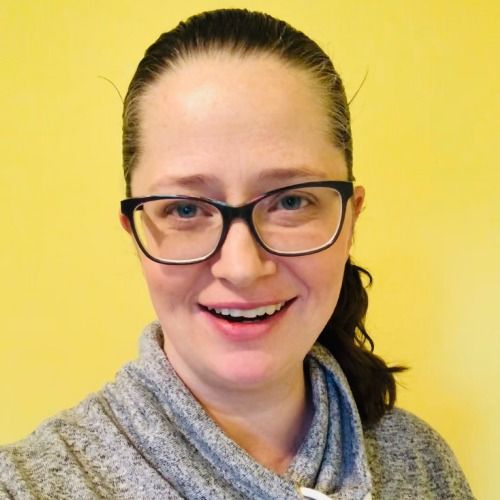
Blocking Dissent: Updates from Yves Engler's Trial and Campaign
NDP Leadership hopeful Yves Engler gives an update on his campaign, and discusses the implications of his recent criminal trial in Montreal.
The arguments laid out by the Crown in his case, if successful, will reverberate throughout movements, particularly those who encourage followers to inundate state officials with emails. A guilty verdict also holds the potential to provide police officers with a level of anonymity that would make holding them accountable even more difficult.
While defending himself against these charges, Yves' is also in the middle of a heated contention for nomination. Its been almost a month since he's submitted his vetting papers to an expectant committee, but no decision has been made. However, he does describe a string of incidents that may serve as writing on the wall.
Hear what he thinks his chances are at being found not-guilty, and of passing the NDP vetting test...
Hosted by: Jessa McLean
Related Episodes:
- Yves Engler: Next Leader of the NDP? (July 2025) Journalist, author, and activist Yves Engler talks about his recent announcement to run for leader of Canada's NDP;
- Weaponizing the Law for Israel (July 2024) Martin Lukacs from The Breach discusses his investigations into Toronto Police's Project Resolute and the secretive committee tasked with cracking down on Palestinian solidarity activism.
- Inside the NDP Playlist
More Resources:
- NDPSocialists.ca: Yves Engler Denied Access to Convention with ONDP Leader Hangs On
- The Maple: Two Charges Against Pro-Palestine Activist Yves Engler Dropped
- Why I’m running for leadership of NDP - Yves Engler
Be sure to check out our Substack for more even more content...
which is ALL FREE - but made possible by the generous sponsorships of our Patrons. If you would like to support our work through monthly contributions: Patreon
Transcript
Greetings, friends. My name is Jess McLean, and I'm here to provide you with some blueprints
Speaker:of disruption. This weekly podcast is dedicated to amplifying the work of activists, examining
Speaker:power structures, and sharing the success stories from the grassroots. Through these discussions,
Speaker:we hope to provide folks with the tools and the inspiration they need to start to dismantle
Speaker:capitalism, decolonize our spaces, and bring about the political revolution that we know
Speaker:we need. As he says himself, Yves Engler has had a week. He's back in the studio to update
Speaker:us on some of the key developments, obviously from his run for NDP leadership, but also,
Speaker:and even more importantly, his criminal trial in Montreal. Now, I know some of you do not
Speaker:support his campaign. I mean, some of you don't even support the NDP. I get that. Let's just
Speaker:put that all aside for a minute. This case has the potential to set a dangerous precedent.
Speaker:one that could impact the way we're all allowed to challenge state officials. We get right
Speaker:into that right off the bat with Eve, so I don't want to spoil any of it for you, but just know
Speaker:the Crown's argument and the implications of a conviction go way beyond any personal impact
Speaker:to Eve or his campaign. It's one activists and organizers are going to want to hear. That
Speaker:being said, His trial is not entirely unrelated to his exclusion from the official NDP leadership
Speaker:race. In both cases, we are seeing individuals within an institution greatly overstepping
Speaker:their reach and expending serious efforts to silence their most vocal critics to the point
Speaker:of looking ridiculously authoritarian. just hear it for yourself. Let's start off with,
Speaker:how are you? I'm good, but it's been a very fast moving last little bit. Particularly last
Speaker:week was one of the busier weeks of my life, but things are good. It was busy because
Speaker:not only are you vying for a spot in the leadership race, it's kind of like this weird moment in
Speaker:the race for you, but you also have a criminal trial that you're having to defend yourself
Speaker:in. I don't even know where to start. Let's start with your trial. That is probably most
Speaker:pressing last week because this leadership race isn't over until March. But you did hint
Speaker:at these charges. I will link the episode where Eve describes in detail what led to the charges,
Speaker:the original charges, then the new charges. So if I'm getting this right and you're going
Speaker:to correct me if I'm wrong, the original charges of, you know, that related to Dahlia Kurtz
Speaker:were dropped. You're now having to defend yourself or encouraging people to contact the police
Speaker:for essentially launching a petition. And I think that might shock a lot of people because
Speaker:you're talking to organizers and activists. who have launched a million petitions encouraging
Speaker:you to inundate our MP, our MPP, our mayor, our counselor, top cops with emails demanding
Speaker:them to do the right thing. Why in your case has it turned into criminal charges? Yeah,
Speaker:it was a full day trial on Friday uh for nothing other than promoting a action network email
Speaker:petition campaign, uh which was calling for the police to drop charges that were subsequently
Speaker:dropped and was calling on the police to drop a condition of release, which was probably
Speaker:illegal. ah So what was in the email, which began with dear and ended with sincerely the
Speaker:pass, both in that the condition was the five spent five days in jail. to get before
Speaker:judge who then rejected that condition. And uh the prosecution subsequently abandoned the
Speaker:initial charges. But they continued with this claim that I was harassing and interfering
Speaker:in police affairs by uh promoting an email uh petition. And at the courthouse, the prosecution
Speaker:went so far as to call it violence. uh I call it manifestation agressive, an aggressive manifestation.
Speaker:It really framed this email petition as some sort of danger. And the rationale was that
Speaker:the investigator, her name was on the petition. Again, it was in a very friendly way, uh dear,
Speaker:sincerely, but they literally claimed this was violence because her name was mentioned.
Speaker:didn't claim there was any violence. didn't claim there was ever any threat. They didn't
Speaker:even claim that anyone uh modified the petition, the template email in a way that was, you know,
Speaker:more aggressive. uh Some people did modify it, but it was, you know, with similar kind of
Speaker:wording or very pleasant language. uh And yet they took it all away. They spent a whole
Speaker:day on this. The judge is going to be ruling on January 23rd uh if I was uh guilty of this.
Speaker:As you pointed out, I myself have been involved in instigating email petitions to police
Speaker:around the Foreign Enlistment Act. I remember doing that back in, I think, late 2020. I
Speaker:have myself uh called the Toronto police stations at least twice, I can remember. One I remember
Speaker:because actually remember having the conversation with the police officer. There was jail support.
Speaker:People had been detained at a demo and there was a call out to call the police department.
Speaker:It's a common tactic. We've all called. You better all have called a precinct for jail
Speaker:support. I remember one time because I actually got through to some, I think the other times
Speaker:I didn't get through to anyone, I just leaving a message, but I got through to a police officer
Speaker:and he was quite angry, which I took as a bunch of people had called and he'd heard the same
Speaker:message a couple of times. Now, what I guess would be different in this petition, email
Speaker:petition, was that it was an investigator. wasn't the police commissioner. in this trial, mean,
Speaker:the police investigator who testified, who claimed that her whole day of hers was disrupted because
Speaker:of these emails, even though simultaneously they... pointed out that by 9.15 a.m. the IT
Speaker:department had created a filter for the emails. But she also admits that she had the discretion
Speaker:to impose this condition, which said I couldn't talk about the case. ultimately the the
Speaker:big part of the dispute was centered around this condition about not being able to mention
Speaker:this case that they brought against me saying that I harassed Dahlia Kurtz. So she had the
Speaker:power to just decide this condition and she admitted that at court. So on one hand, she's
Speaker:sort of saying, well, I'm just a low level oh police investigator. How dare I get targeted?
Speaker:It wasn't my department. It wasn't the police as a whole. ah But then simultaneously, she
Speaker:says that she had the power to impose this condition. And she understood that this condition was
Speaker:what was blocking me from just being released. So there's some of these kind of things that
Speaker:get into it. But I think the big picture level is that this officer who was working with
Speaker:the hate crimes unit, Montreal Police Department, imposed, brought charges that she never even
Speaker:brought, brought condition that was contrary to jurisprudence. And then when challenged
Speaker:on this, called out on this, felt that, you know, I don't know if she was embarrassed if
Speaker:she was offended by being challenged uh and decided, the police department decided to double
Speaker:down on the whole affair. And then they brought in a bunch of charges against me for allegedly
Speaker:intimidating. harassing, interfering in police affairs. One would hope that the judge will
Speaker:just throw this out, but the prosecution put a fair bit of resources into this. They brought
Speaker:a bunch of witnesses. They know, had all kinds of like jurisprudence going back to like 1934.
Speaker:And the other part I think that's important is that the prosecution, you I understood that
Speaker:this was an effort for the police to try to get some sort of precedent that gave them the
Speaker:ability to define email campaigns as harassment or as interference, and that they wanted that.
Speaker:Why wouldn't they? Why wouldn't the police department want, you know, a conviction or the ability
Speaker:to define this type of thing in that way? But what really came out clear in the prosecution's
Speaker:final statements was exactly that. That they saw this as this was like a, was some uh freedom
Speaker:of expression had been, uh had been a line had been crossed and this was we have to get order
Speaker:back into affairs. And it really kind of hyped up this notion, email petition, that's all
Speaker:it really was, but they hyped it up as some sort of like kind of big kind of threat, which
Speaker:spoke to the kind of authoritarian thinking, the authoritarian nature of this charge. And
Speaker:I think the SPBM, the Montreal Police's desire to just, you have this precedent and be able
Speaker:to define any sort of pushback with this type of technology as illegal. There's a few cases
Speaker:that I've been following. Yours is one of them. The rest are in Ontario that I know of that
Speaker:are so ridiculous in nature that the only way to really explain them fully or to understand
Speaker:like why the would they go through that level of effort for this? And it's for that. To set
Speaker:a precedent for some commonly used tactics of their opponents. uh You've given an example
Speaker:of the email petition. Lord knows every politician out there uh hates them. Cops surely don't
Speaker:want to deal with them. Now in Ontario though, like you mentioned the police wanting this
Speaker:precedent. In Ontario, I can speak to this, but not in Quebec. In the Attorney General's
Speaker:office, know, the breach did a great uh piece that outlined Project Resolute and how they
Speaker:are working with members of the Attorney General's office in Ontario under this whole hate crimes
Speaker:umbrella, but one that is very specifically tasked with looking at protests dealing with
Speaker:the Middle East, right? They won't say Palestine, they mean Palestine, but how there is a concerted
Speaker:effort to one, know, frame it as hateful and violence and criminal, all of the things that
Speaker:deal with Palestine, but specifically working on getting tools at their disposal. So, you
Speaker:know, the bubbled zone laws are an example that's been kicked up to the feds. And so it's
Speaker:not just one provincial attorney general's office or one police force. There appears
Speaker:to be coordinated lawfare. And I think like your case is one of those where I think a lot
Speaker:of organizers should be paying attention, whether even they're pro-Palestinian or not. Although
Speaker:you as an individual and your brashness and your in-your-face approach is probably why
Speaker:you're a target of a lot of these folks. But I think like the action that they're going
Speaker:after, uh is a dangerous precedent that we can't allow be set, right? So I've seen a lot of
Speaker:people that are in your camp even making the plea, know, look, you may not agree with Eve's
Speaker:tactics and right now the NDP is going through a leadership race that we're kind of going
Speaker:to touch on. And so they're a little bit divided into camps at the moment, but there's an understanding
Speaker:that this is an issue that will touch all of us, that matters to all of us. And it's something
Speaker:that we should be keeping our eyes on. You keep mentioning what the... prosecution or
Speaker:the Crown presented. What did you present as your evidence? Did you folks just allow it
Speaker:to be seen for what it is and rest? Yeah, unfortunately, I think in hindsight, mean, partly tied to
Speaker:just how busy I've been with everything, I don't think that we did the sufficient uh case
Speaker:to uh fully explore the ramifications of this. So you mentioned like Action Network, in some
Speaker:sense Action Network was on trial. I I was technically on trial, but Action Network and the whole
Speaker:notion and other similar email petition websites were sort of on trial. Weirdly, like even
Speaker:a group like Honest Reporting Canada. I mean, what Honest Reporting Canada does is they email
Speaker:journalists. On mass. On mass. So here you had this police investigator saying, well,
Speaker:I'm just an individual. Yes, I am a police investigator. Yes, you emailed the police my work account,
Speaker:but I'm just sort of an individual. Well, know, the Honest Reporting Canada targets all kinds
Speaker:of individual journalists with their work accounts. They even target like the Concordia Link,
Speaker:the student paper journalists who are obviously way further down on the power structure than
Speaker:a Montreal police investigator who has the capacity. to introduce a condition that says you can't
Speaker:talk about the case and has that sort of discretion in their hands. I think that ultimately this
Speaker:will probably get dropped because at the end of the day it is so ridiculous. ah But yeah,
Speaker:we didn't do the full, uh my lawyer's focus was basically the crux of the issue is really
Speaker:simple. The public has the right to petition state officials. And I do agree. That is the
Speaker:crux of the issue. It's not just about a free speech question. It's about you have the right
Speaker:to petition state officials. And then secondary to that, what was actually petitioned was completely
Speaker:correct in that the conditions were odious and they dropped the charges. And there was the
Speaker:other part, one of the points that was brought up is like they were saying was because it
Speaker:was because it was so many people. So you were too good at it. Successful. That was
Speaker:the essence. So if only six emails had been sent to the to the police officer because of
Speaker:the Action Network account, then it would have been okay because it was only six emails. But
Speaker:because they woke up the next morning and they had 1,500 emails in inbox, uh that changed
Speaker:things uh in its scope. Now that's, of course, an impossible kind of uh position because how
Speaker:does one know if one's going to be successful? And then that also is sort of saying that
Speaker:the people who took action themselves, they don't have any agency. uh And so how do you
Speaker:put all the blame on me for promoting the petition? But the individual took action. Some individuals
Speaker:shared it themselves. Which one is the responsible and all that is all kind of very complicated.
Speaker:um But yeah, I don't know that we did uh the 100 % bang up job that we should have done
Speaker:in bringing out all these sort of big picture issues. Well, that's okay. what the rest of
Speaker:us are here for, right? That's just why we talk about trials like this because they bring up
Speaker:a lot of issues. think another one that they're trying to protect or uh set precedent for
Speaker:is this anonymity for state officials, right? Like, no, we're gonna have a spokesperson.
Speaker:We're gonna pick one of the, you can talk to them and only them and only during business
Speaker:hours and only through this particular uh online form request. And that's about it. uh you
Speaker:don't know anybody else, gives the kind of ICE agents wearing masks kind of vibe, like these
Speaker:police officers can overreach their jurisdiction and act like thugs in various ways and that
Speaker:we won't ever know their names or they won't individually be held accountable in any way,
Speaker:shape or form. And that shit's not gonna fly either, right? We get that when we're trying
Speaker:to film police badge numbers and whatnot. uh You'll see activists whose homes were raided
Speaker:in the London area in southern Ontario and the police bragging about stealing their electronic
Speaker:equipment. But one of the things that they seem to be affront about and are broadcasting as
Speaker:though to demonize these activists is that they had um written notes about how police operated,
Speaker:how police units operated within protests as though we're not allowed to know. or prepare
Speaker:for those kinds of acts of uh state suppression. um yeah, there's just, your case is just one
Speaker:of many, I think, where we're seeing the state take action and start to just really eat away
Speaker:at the ways that we try to hold them accountable. I shouldn't go on that because I'm trying
Speaker:to make sense of what the SBBM's reaction. So I'm trying to make sense of it. think There
Speaker:was this, there wasn't the initial thing in all this, of course, was a uh kind of cowering
Speaker:to pressure from Neil Obermann, this lawyer that's ran for the conservatives, that's this
Speaker:staunch Zionist. And that was came out that, they opened the file up about Dalia Kurtz,
Speaker:they closed it and then Obermann intervenes and then they reopen it and then they bring
Speaker:charges. So that's the initial is coming from a sort of Zionist perspective. But then, to
Speaker:try to make sense of the SPBM's reaction. And I think part of it may have been just, okay,
Speaker:well, they thought they had an opportunity to go at me, right? So we go at Eve and then he
Speaker:pushes back. And so now we're gonna double down. How dare you stand up to the Montreal police?
Speaker:But then I was trying to make sense of it a bit more. I don't think that to be fair, if
Speaker:you wanna frame it like this, to the police. I don't think that the investigators would
Speaker:necessarily have interacted with this type of thing of like an online petition and filling
Speaker:their inbox. And they operate in a certain level of anonymity as you're mentioning. But we do
Speaker:know that you're supposed to at least in principle wear a badge number when you're out at a demonstration
Speaker:and there's supposed to be some mechanism of kind of holding the police officer, the
Speaker:individual police officer to account. for their breaking the law or their bad behavior or
Speaker:whatever. And I think that maybe in the back rooms, that hasn't really been as well kind
Speaker:of established and that the mechanism of an online petition targeting a specific uh investigator,
Speaker:that I guess maybe is a little bit scary for the police in a sense, right? It sort of, oh,
Speaker:this breaks up a little bit of how we've been operating. And we, you know, yes, we know
Speaker:what happens maybe at the higher level. Maybe there's been times when people call, maybe
Speaker:there's rallies at, you know, police department, police stations where there's people being
Speaker:detained. You know, we've been through all of that, but maybe we haven't been through this,
Speaker:type of, you know, I wouldn't say it's new technology, but it new, new-ish, you know, kind of technology.
Speaker:And that's not, you know, we know that the police officers are doing all kinds of, you know,
Speaker:dubious things like this, you know, behind the scenes. And so the... the feeling that, okay,
Speaker:well, you know, our whole little dynamic might be rattled a little bit by, you know, mass
Speaker:emailing and our name might come out and stuff like that. So I'm trying to make sense of a
Speaker:little bit of how the police are seeing this and responding to it. And I think that, you
Speaker:know, what you're saying with regards to the anonymity and some of this stuff, obviously
Speaker:the police, obviously the police prefer not to be challenged in this way. Everybody in
Speaker:doing any dubious thing, you know, prefer not to be, yeah, 1,500 or 4,000 was the final number
Speaker:of emails into account of, you know, questioning why they had made this dubious decision. So
Speaker:what we would all, the difference, of course, is the police have the power to impose the
Speaker:legal consequence and in this case seem to be determining what the law is as well, that this
Speaker:is interference or this is harassment. But yeah, I think it's interesting to try to kind of
Speaker:come at it from the police's perspective as well to make sense of what's actually going
Speaker:on. They're like, make it make sense. Make it make sense. So I hope you're right. I hope
Speaker:it's dropped. We've seen most of the charges leveled against pro-Palestinian activists
Speaker:are ridiculous and very few of them end in conviction. That is not to say we haven't seen some ridiculous
Speaker:convictions. so far, we'll talk about that on another episode though. I do want to get
Speaker:an update on your vetting. So for the longest time, you know, I felt like reaching out going,
Speaker:just put in the papers already. I'm tired of fielding these idiots in the comment section.
Speaker:I know it's not my duty. I'm not actually with ETH's campaign, but I take such issue with
Speaker:people that are trying to use NDP procedure or norms. as some sort of litmus test uh and
Speaker:just completely parroting HQ's kind of talking points and the usual suspects. but you did,
Speaker:you have put in your vetting papers now. The deadline is in January, so you didn't have
Speaker:to, but I imagine you were feeling a lot of pressure to do it, but also you had reached
Speaker:quite a... large threshold, right? That was the argument that you gave when you were on
Speaker:the show back when this, uh, the run started, that you wanted to build momentum, get enough
Speaker:supporters and funds so that you were like an established campaign, which would make it
Speaker:harder for the three-person vetting committee to turn you down. And now Arguably, although
Speaker:you did have lots of detractors, some who didn't believe, like Rachel Gilmore, I engage at
Speaker:some level, but it's just uh really naive. uh She seems skeptical that you would be turned
Speaker:down in vetting, um but I can talk about at length. I'm not going to. on how vettings used
Speaker:to suppress people has been used, will be used. I told you when you came on, was very, I said,
Speaker:they will not let you run. They will definitely reject you in vetting for this, that, and the
Speaker:other reason. um But you did put the papers in. That was a while ago. Can you remind people
Speaker:how long your papers have been in? It's December 2nd as we speak right now. Yeah, we put it
Speaker:in November 7th or November 10th and to be, there was all kinds of factors that went
Speaker:into this and the factors, the importance of the factors shifted a little bit at different
Speaker:moments based upon different dynamics and whatever. We put in November uh 10th, partly among
Speaker:factors you've mentioned and some that you didn't mention. For instance, if we do get
Speaker:denied our capacity to maintain a campaign, like a protest campaign, that was a factor
Speaker:also that was, talked about, We're about too much, but it is a factor in all of us. We put
Speaker:in November 10th with the hope to try to get into November 27th debate. That obviously failed.
Speaker:They didn't let us in the debate. what we've received from the party in terms of not even
Speaker:letting me go to the November 26th social meet and greet, Sanka said the fact that they denied
Speaker:my participation in that. gave us a pretty, you know, a further indication of where they're
Speaker:at in terms of blocking us. And of course we had many other things being blocked at the
Speaker:Ontario NDP convention on September 20th with explicit communication from the president of
Speaker:the Ontario NDP who said that they had been in discussion with the federal party, only
Speaker:candidates had been vetted. And that was for an observer pass. No, it was that for a visitor
Speaker:pass. And then We asked to pay for an observer pass and they said it was too late. And then
Speaker:I asked about getting a media pass and they said, because I had had, you know, at least
Speaker:a half dozen, the half dozen conferences, I've been gone to the desk and asked for media credentials.
Speaker:And that's how I get into conferences to, you know, to ask questions or, you know, disruptive
Speaker:kind of things. And, and they refused even the media, but it took them an hour to decide on
Speaker:that one. But they They refused the media pass also. So that was a pretty big uh message
Speaker:to us that they didn't want us part of all this. And there's been a number of other messages
Speaker:from before the formal race began where our financial agent uh tried to get in touch and
Speaker:they just refused to respond and then taking long nomination. There's a whole series of
Speaker:things. So they've probably rolled out all the tactics that they've been practicing all these
Speaker:years, all on your campaign. delays, gatekeeping, procedural excuses. Yeah, so we get the
Speaker:sign of where things are going. uh We will see ultimately where they all go, but we get the
Speaker:sign of where things are going. I think that we've had some positive impact on the debate
Speaker:in the NDP race. I think we have pushed it to the left. I have no doubt in my mind, in fact,
Speaker:on that. uh I also think that we've had success on drawing attention to the dubious nature
Speaker:of vetting uh and how these parties, specifically the NDP, unfortunately all the parties, uh
Speaker:operate in uh very undemocratic kind of backroom controlled ways. uh so, but you know, we want
Speaker:to be part of this race. I desperately wanted to be part of that debate. uh I bet you did.
Speaker:I bet you did. Because watching it, it's exactly like if people are wondering why I see people
Speaker:challenging you because they hold you to every little snippet they've ever heard you say,
Speaker:right? So if you alluded to the fact that it's your pro-Palestinian activism that will get
Speaker:you denied in vetting, it's like that's a bit of a simplistic explanation, right? So they're
Speaker:pointing to, no, Avi, he supports Palestine, yada, yada, yada. But the big message was in
Speaker:that debate. think that, I feel like your campaign should have just been able to look at everybody
Speaker:and say, we told you so. We told you so. If Eve is not there, they will not talk about
Speaker:imperialism. They will not talk about the military spending. They will not challenge some of the
Speaker:basic, most damaging tenants of neoliberalism. out in public and they sure as fuck aren't
Speaker:going to debate it. I mean, they couldn't even debate Carney in a way, right, let alone each
Speaker:other. And when, when I saw the clips from that and watched some of that French language
Speaker:debate, which again, you would have made them all look very, very, very silly in terms of
Speaker:their, their grasp of the French language. But it, for me, it was just very validating, although
Speaker:I imagine frustrating I know you say you feel like you've pushed the campaign left, but that
Speaker:was a big absence. Did you not feel that watching that debate like going, is someone not going
Speaker:to bring this up in any way? $89 billion in military spending. was to be honest with you,
Speaker:I did this bingo card before the debate and we read off 20 words that they wouldn't wouldn't
Speaker:be used. wouldn't be used. Yes. Okay. And honestly, I can't remember the exact one on NATO or
Speaker:Canada, NATO was one of them. But there was an expectation in my mind that Gaza would be
Speaker:mentioned. And there was an expectation that some element of militarism would be mentioned.
Speaker:They wouldn't go to like Canada, NATO, but they'd go to something kind of more narrow. And I
Speaker:was taken aback. honestly, the fact that nothing, even Trump wasn't even, I think Trump was
Speaker:alluded to by Avi in terms of like rising fascism. but there wasn't even a direct kind of like,
Speaker:you know, sort of discussion of the sort of Canada's reaction to Trump and stuff like that.
Speaker:And there was nothing about Gaza. That's also, know, Heather, as Tom was pointing out, at
Speaker:one point, Heather McPherson talks about baking cookies for all kinds of different actions.
Speaker:She likes protest cookies. And I don't remember the specifics, but she lists out like six different
Speaker:issues or four different issues and like, Palestine of Gaza is not on that list. So there was all
Speaker:these opportunities with just, one word kind of opportunities to drop, just mention genocide,
Speaker:cannabis complicit in genocide and just tokens, right? At least give me a token. Yeah. All
Speaker:of it is dropped. And I have to say, obviously, ah there's no chance if I was part of that
Speaker:debate that there would have been no discussion of militarism in Gaza. I would have run in,
Speaker:you know, Canada's position in Venezuela and some other. things like or the NDP's position
Speaker:on bombing Libya or things like that even, But no, like the really narrow, that took
Speaker:me aback. And that comes from already understanding that the party has more or less avoided discussing
Speaker:uh the carnage radical militarism, because part of it is not just you can even discuss that
Speaker:in a social democratic way. You can discuss that in a non anti-imperialist or non-internationalist
Speaker:way. You can just sort of say, well, let's take the money from the war, from putting into,
Speaker:you know, warfare and let's put it into housing. You know, you can do it from a social democratic
Speaker:direction. And that even wasn't, wasn't even done. And I'm going to opine on why. And although
Speaker:absolutely, well, first of all, the NDP ran on increased military spending. there, and
Speaker:there's a large number of NDP members that are indistinguishable from liberals and think our
Speaker:only savior is to arm the teeth out of the CAF, right? Like, so they are not going to take
Speaker:a principled stand on that anyway. But to me, and just like with Rana in the studio earlier,
Speaker:and I have no idea what order the audience is going to hear these interviews now, but they're
Speaker:so connected and it wasn't ever specifically anything she said or any one position that
Speaker:you have, it would be your refusal, being who you are and the way that you are, to toe the
Speaker:company line. They would have had handlers, I don't give a fuck what Abby's camp says
Speaker:or anybody else, I will not believe them for a second, that they were not advised to not
Speaker:bring up certain topics. I have been in that environment where talking points are provided
Speaker:to you. where there are very clear parameters in which you can have debate. We've all seen
Speaker:it at convention where they are these cultivated discussions where even the people at the no
Speaker:mic are not really nos. And the topics that they pick for us to talk about were typically
Speaker:things that people were generally already agreed upon. And so the idea of ever introducing
Speaker:this radical element that they cannot control and that you might get up there and remind
Speaker:them of their Libya position or remind them of their current lack of position on Venezuela,
Speaker:although Don Davies did finally issue a statement that I think we can credit your campaign for,
Speaker:to be honest. you know, like they just will not provide the environment for a healthy
Speaker:debate. That has been their operating. standard operating for quite some time. And so you
Speaker:represent that possibility throughout the entire race, right? Because your policies are, uh
Speaker:there is some overlap, but there's parts of your policies that are just also glaring reminders
Speaker:of the failure of the NDP, um especially coming from the Socialist Caucus, who has spent years
Speaker:trying to point out these problems. and have been that element within the party that is
Speaker:not controllable. They have things they can hold over the EDAs to keep them in line. They
Speaker:have things to hold over executive members and council, promises, but there's nothing they've
Speaker:ever been able to offer or do to the Socialist Caucus to make them shut up. Right? They have
Speaker:been a thorn in the party side for years to this end. And you also represent that as well.
Speaker:And so I think People are being naive, em failing to see what is happening here. I'm so disappointed,
Speaker:by the amount of people that, not that they're not taking your side, they're not picking you
Speaker:as a candidate. don't really, like, no offense, I really don't give a fuck what people pick
Speaker:as their candidate. Like, your vote is your vote. It's just, it's a contest. It's the
Speaker:way that bad faith arguments are coming after your campaign, specifically when it has to
Speaker:do with the gatekeeping that exists at headquarters. So I'm kind of glad we're in this stage where
Speaker:you have submitted your papers and you can now start to speak to the different mechanisms
Speaker:at play that make it so obvious. Not that they just don't want you, because people are coming
Speaker:after you as like who you are, who you've said in the past, why they might not like you,
Speaker:but that's not really why you're being kept out of the race. It's what you represent. That
Speaker:includes like the Socialist Caucus and these ideas of anti-imperialism, of being opposed
Speaker:to our participation in NATO, and all of these shortcomings of the party. And they just
Speaker:won't make space for that. So, I mean, how hopeful are you now at this point that you'll
Speaker:be in the race in an official capacity? What they call credible candidates, right? They've
Speaker:used that verbiage a lot. um You must feel that as a dig. I didn't think I was going
Speaker:to be denied. I brought my three and a half year old to the social on the night. To the
Speaker:meet and greet. Because that was open. Just so people are clear, that wasn't an invite
Speaker:only event for the candidates. It wasn't even just for NDP members, which I am a member of.
Speaker:said, your friends and family or something to that effect in the promotion. So this was
Speaker:open to everyone. And I registered. Yeah, and I was, there was somebody standing up, it was,
Speaker:you know, zero and right around zero and raining. And there was a guy standing out front of
Speaker:this building, a big building where this, was in some room in the building. I had never gone
Speaker:inside the building. So I don't know exactly where, but, but that was standing on the front.
Speaker:I almost certainly just to stop me from entering. Cause you said you were going, right? That
Speaker:upset some people, you know, the pearl cletters. Don't go where you're not invited. Yeah. And
Speaker:I, exactly, I said, me at the NDP social or something to that effect. And the guy mentioned
Speaker:that in his, like, why I couldn't go. then I was like, what did I say? And I went back
Speaker:and actually looked at what I said. All I said is like, join me at the social, that was it.
Speaker:There was nothing, there was no threat, there was no like whatever. And then I even had Shannon
Speaker:Devine, who was somebody I knew as uh in student activist days. friendly terms around like
Speaker:the CFS Quebec, who I then, when I was at Unifor in 2014, we we overlapped for a month or two
Speaker:before she left Unifor and then I left not long after at the Toronto office. And then she posts
Speaker:that justifying this blocking me from on the grounds that like as employers, had to be careful
Speaker:for the staff, the NDP staff. because I'm known for pushing and shoving and harassment. And
Speaker:so it's like, whoa, whoa, whoa, whoa, whoa, whoa, whoa. You're saying that at this meet
Speaker:and greet, was going, they didn't know, to be fair to them, they didn't know I was gonna
Speaker:bring my three and a half year old. I did have my three and a half year old. They could have
Speaker:reassessed in a moment, but they didn't know that. But you're saying that you're making
Speaker:a claim that you blocked me from the social and the grounds that I was gonna go in there
Speaker:and beat up NDP staff. And it would be like, NDP is like, you know, the employer was being
Speaker:a bad employer by not protecting the staff. mean, like me while we know the Ontario NDP
Speaker:is one of the or the NDP is one of the worst employers. Yeah, yeah, yeah, let alone whatever
Speaker:their other you know, but this was I mean, come on, this is I mean, I mean, that's a level
Speaker:of like demonization and kind of ridiculousness. I feel this kind of pain. um When you say
Speaker:you were surprised you were turned away. I I kind of felt it when I interviewed you too.
Speaker:was like, I don't know if he knows just how horrible these people can be. And I just don't
Speaker:know if he knows how vindictive and quite clever sometimes. um HQ, the NDP headquarters can
Speaker:be when it comes to trying to marginalize someone in, and like, I, I really mean that they
Speaker:have probably rolled out a lot of the tricks that they've been home like practicing over
Speaker:the years on local candidates. um And this is a bigger stage for them. And so although I
Speaker:am surprised such a mundane type of event that they would create a stir over like as opposed
Speaker:to like what could you have possibly done inside but they just don't want you upstaging anyone
Speaker:either. So like I don't condone it. I'm just trying to understand it from a uh national
Speaker:director kind of point of view. this is, this is, it's like they, it's like there's like
Speaker:a fear that like, that, I don't know, Heather or Avi or Rob would have had to have an hour
Speaker:of sort of socially awkward with me in the room or something like that. Cause it was, it's
Speaker:ultimately really dumb. I mean, in my opinion, cause it looks terrible on the, on the party.
Speaker:Jasmine, the co- lead of the policy committee. uh She then asks the question of like why
Speaker:I was denied entry. And uh Abby says he's known you for 20 years. Bizarre response. We'll
Speaker:leave that question aside a little bit. But even if you're just framing this from a PR
Speaker:and how to this was a bad look, it was a bad look. it's like they maybe they believe their
Speaker:own, their demonization and they believe that I'm some sort of threat or whatever. They started
Speaker:believing that and they actually believe that you have to stop them from coming into the
Speaker:venue or whatever. And then I was told it was like not even, it was kind of like awkward.
Speaker:It wasn't many people there. It was like 40 or 50 people there and it was kind of like
Speaker:an awkward space and it was just sort of like kind of a fairly unpleasant event in and of
Speaker:itself. So they were like protecting. something that was like not much, you know, like they
Speaker:weren't protecting some sort of like big important event. were protecting, again, in their eyes,
Speaker:protecting, right? So. Similar to the convention, they don't want to provide you with any ability
Speaker:to kind of even make a photo op inside. Like you were just, they need to delegitimize you
Speaker:and your campaign completely. And by submitting your papers and sitting where you're sitting
Speaker:now and some of these events that you're describing. And I can see in like, We have lots of mutuals
Speaker:and I have a lot of NDPers that are still in my circle. I don't know how, because I'm not
Speaker:very nice to them. But um I can see them starting to shift. You know, it was one thing to
Speaker:maybe not support you as their chosen choice, but... They don't like the idea of a vetting
Speaker:committee keeping you out of the race. think a lot of folks still do value democracy and
Speaker:wanna say, maybe they want even the ability to vote against you. You know what I mean?
Speaker:To be able to say like, see, you don't resonate within the party, but they don't like the
Speaker:idea that one, that they'll also be proven wrong, right? Like that your tactic of holding
Speaker:into your vetting to, because you anticipated a problem there, your you're validating that.
Speaker:And it also, you know, speaks to what they've already experienced, which they have seemingly
Speaker:chosen to forget as they enter in this leadership race, because the leadership race is also this
Speaker:faux renewal, right? They're completely decimated within their base. They need to show that they
Speaker:are trying to do something different, but that is not genuinely different. That's too scary
Speaker:for HQ, so they've really cultivated this race, right? We don't even know who, if anybody
Speaker:else applied and was vetted out, um some people that happens to, we never hear from them again.
Speaker:It's not a pleasant experience, um especially in the dark, right? Imagine you had been vetted
Speaker:and booted and nobody even cared or knew because we hadn't been paying attention yet. It hits,
Speaker:but... um They've cultivated these five people that really can't distinguish themselves from
Speaker:one another. And that became so obvious in the debate. And I think we would have seen that
Speaker:with any other candidate that broke their mold. They've got a very specific mold. We see it
Speaker:in most of the candidates that end up do passing vetting and you're just not going to fit that
Speaker:mold. I hate when I say that to you, but um just from the perspective of NDP and how
Speaker:they like to... sanitize um politics. And we know that just doesn't work, right? And that
Speaker:doesn't upset the status quo enough and there's no reigning you in. And um what is a plus
Speaker:for most movements is a minus in terms of like the vetting committee. so like, again,
Speaker:I secretly hoping they... I want you in the race because I want to see you up against these
Speaker:folks. I want to see you debate a Lewis on imperialism. I would tune in. I would share the link.
Speaker:I would live tweet from that kind of event. I would be so caught up in that. But there's
Speaker:a part of me that also wants them to reject you and explicitly say why. And I want us to
Speaker:be able to show that to people and so that they can see the party for what it is. What do
Speaker:you say to my criticisms? Because I got criticized for not giving you smoke, the same kind of
Speaker:smoke that I give the other candidates. So you're going to get a little bit of smoke from me.
Speaker:To my critique that you're drawing people back into a party that will treat them the same
Speaker:way they're treating you and are actually very hostile to the ideology that both you and I
Speaker:think is important to highlight right now. Yeah, I mean, I'm sympathetic to that. I feel like
Speaker:we've run this race in a way that uh has been pretty upfront in terms of uh our problems
Speaker:with the party. I've written many, stories about Heather McPherson's foreign policy, the party's
Speaker:historic foreign policy. the lack of discussing capitalism. uh We've done, we did a whole webinar
Speaker:on vetting. did a alternative vetting forum, like sort of- I saw that. That was clever.
Speaker:Mocking the, you know, we are explicitly trying to discredit vetting as uh the thinking was
Speaker:as a tool to get in the race and also just for the general- a political principle of it.
Speaker:So I feel like we've operated uh in a pretty upfront way. One of my concerns is they wait
Speaker:as late as possible and then try to get the 100,000 bucks. And so it makes it very difficult
Speaker:for us to get, to sign up new members and sort of, because the threshold is two months before,
Speaker:so I believe it's the 26th of January, to sign up new members. if you want to be able to vote
Speaker:um so that they sort of like get, you know, part of what they want, which is the cash,
Speaker:but then sort of constrain our ability to run a sort of proper campaign, which we've
Speaker:already been constrained, obviously. uh But so, you know, that has some issues there in
Speaker:terms of uh credibility questions. But yeah, I feel like we've done a fairly honest, uh
Speaker:contrary to the framing out there. We were the big like, you know, sort of deceptive uh
Speaker:financial shenanigans, whatever they Well, the breach called you grifters. Exactly. But
Speaker:we've been, I mean, we've been uh very above board, in my opinion, compared to certainly,
Speaker:I mean, all the policy committee, how our platform was created was done in a very open and democratic
Speaker:way. I've talked to some of the people who contributed to it and they were so... um It was so unusual
Speaker:for them to experience this that like their ideas ended up in the policy book, right? They're
Speaker:so used to their ideas being watered down or poo-pooed or like that's too radical or yeah,
Speaker:we'll think of that down the road. But like they felt like they were a meaningful part
Speaker:of what shaped that policy book. That mattered to them. Yeah, and they were. it's and I mean,
Speaker:as I stated this, you know, the platform is not just a alternative that we you know,
Speaker:fundamental change. But it's also the way it was done is part of the ability to uh build
Speaker:the power to actually arrive at the policies because you can't, there's no scenario of uh
Speaker:challenging capitalism seriously that doesn't require mass participation, uh people being
Speaker:empowered, people being, you know, educating themselves, collectively educating themselves
Speaker:and you know, arriving at forcing the hand of the corporations, the government, da da da.
Speaker:So that to me, know, it's both a, it's a platform that is uh profound and comprehensive and impressive
Speaker:in its detail, but also in the way it was derived is, you know, it's a platform for how to uh
Speaker:force the changes that we want. So. I'm very proud of it and proud of all the people who
Speaker:did the work to craft it. And that's the nature of the campaign. Are there some, we do have
Speaker:an all committees meeting where there's a dozen people come together and are ultimate deciders
Speaker:and is every element of the campaign completely open? no, it's not, but our goal here is to...
Speaker:to have chapters locally, and we have, do organizing locally, to be very open and uh grassroots.
Speaker:Because it's the only way we're going to have any success on the left if we're serious about
Speaker:these types of ideas. um So yeah, I think we've done a pretty good job of this in a campaign
Speaker:across the board in terms of being upfront. terms of being honest, terms of being transparent,
Speaker:terms of being participatory, and also not compromising in our relationship to the vetting
Speaker:and to the party establishment and try to somehow get through vetting as part of like a make
Speaker:nice with the party establishment. I don't think that was ever a realistic scenario, so don't
Speaker:think it ever made sense even from a strategic standpoint, but theoretically, we could have
Speaker:tried some sort of mechanism of toning down our criticisms as part of some effort in that
Speaker:way. No, no. um You could have, but then it would have been nothing notable. It wouldn't
Speaker:have even been worth talking about. And you would have ended up with the same result. Like
Speaker:I said, everyone knows who you are because you're out there. You videotape a lot of your
Speaker:interactions. And ah I don't think that's like the sum of all you are, but. an uncontrollable
Speaker:element, right? I think, and the Socialist Caucus, and not that it's any detriment that
Speaker:you worked with them, it's just even if they decided to tone down their messaging, their
Speaker:goal has always been clear, and it's not one that jives with the people running the NDP
Speaker:at the moment, right? So it's almost an antithesis to what they think is the key to success,
Speaker:right? They're totally differing. Viewpoints because their success isn't actually measured
Speaker:electoral success, but you know all this I you know I meant to call you in for just a
Speaker:really quick update and But I should have known better that some of these discussions would
Speaker:just lead to broader discussions Which sometimes just raises more questions than answers? But
Speaker:that that is so very typical. I think of our episodes so um I Do appreciate you coming in
Speaker:to kind of give us an update on where you're at I think you should be proud of what your
Speaker:campaign's done so far. We'll still definitely be paying attention. This is kind of like,
Speaker:we'll say this is our midway update. And then when it's all said and done, maybe you and
Speaker:a campaign manager can come back and reflect on what it was like, whatever the outcome
Speaker:is at that point. You up for that? For sure. we're going to be going one way or another
Speaker:at minimum until the convention. yeah. I have no doubt. uh Come hell or high water, like
Speaker:the Socialist Caucus isn't going to miss an opportunity anyway, right? It is a mission
Speaker:that people are continuing within the NDP. I don't agree with spending a whole lot of energy
Speaker:there, but I'm not going to stop comrades from doing it. That's for sure. And I'm happy to
Speaker:kind of feed the audience what they're looking for and you know they had questions about your
Speaker:campaign and I do appreciate you also taking the time to share about your trial because
Speaker:I think that's also relevant to the kind of people that we talk to here organizers and
Speaker:activists who are looking for system change all right one way or another um but thank you
Speaker:very much for your honesty and taking the time to come on our little show. Thanks, thanks
Speaker:for having me. We interviewed Eve on the same day as Rana Zaman, a former candidate with
Speaker:the NDP, who got burned in a real bad way by the party. You'll hear her story in detail
Speaker:next week. To be honest, the timing of the two interviews was a complete coincidence,
Speaker:but the connection now seems obvious. mean, beyond Rana's endorsement of Eve for leader,
Speaker:of course. They're both the type of people the party bosses love to vilify. isolate, and often
Speaker:publicly reject their wild cards, principled in the most stubborn ways, and ultimately because
Speaker:they display characteristics of a person who cannot be easily pressured into compliance.
Speaker:The very things we need in our movements are the very things that scare the consultant class
Speaker:the most. And unless that becomes the focus of any of the campaigns to replace Jigmeet
Speaker:Singh, they'll be just as useless as the ones that came before them. That is a wrap on another
Speaker:episode of Blueprints of Disruption. Thank you for joining us. You can follow us on Twitter
Speaker:at BPofDisruption. If you'd like to help us continue disrupting the status quo, please
Speaker:share our content. And if you have the means, consider becoming a patron. Not only does our
Speaker:support come from the progressive community, so does our content. So reach out to us and
Speaker:let us know what or who we should be amplifying. So until next time, keep disrupting.